Donating a Military Photograph Collection With Its Context Intact
4 min read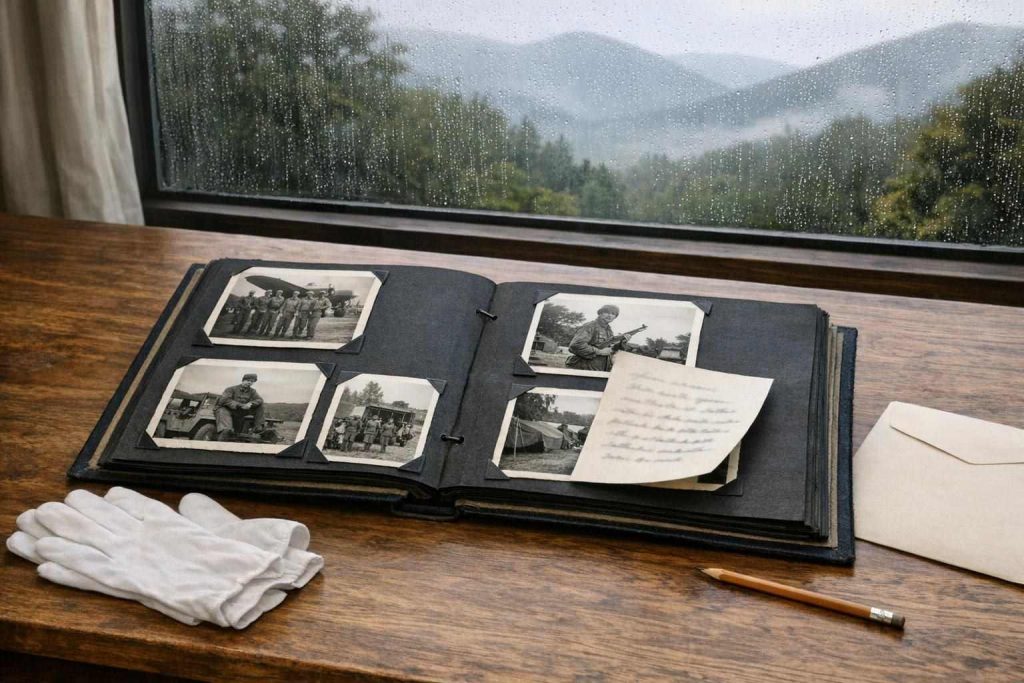
Military photographs and documents could be given as an archive to safeguard history for others to view and learn about serving servicemen and their families from a community. Some photographs may have handwritten captions, dates, or names on the back. Preserve these notes alongside the family context.
Understanding the Collection: More Than Just Images
Donating your military photos to the archive will give historians a wonderful gift and future generations many personal histories contained within the photos. The moment in time that was captured in the photograph of the service member in uniform during World War II, for example, will connect the viewer to the individual who served and the families that he left behind to fight for his country. These family members and their institutions can use the collection to educate and to display in local settings during appropriate service member memorials and celebrations.
Many of the historical photographs that are preserved are of great value because they give insight into the past, such as changes in uniforms, methods of combat, and military procedures over the years. And, photographs can be used by families of service members and by institutions and organizations within an individual's community for such purposes as for educational purposes, for exhibits and displays, for ceremonies and celebrations to honor those who served.
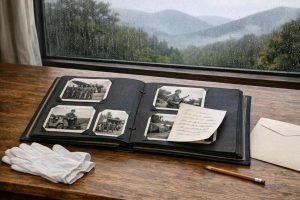
Try to maintain as much of the original organization as there was in the collection of photographs when you are preparing to donate them. If, for example, a photograph was included in a scrapbook or album, try to keep it with the rest of the images from that scrapbook or album. If, for some reason, you are removing a photograph from a scrapbook or album, try to document where it was before you removed it from the scrapbook or album. You could take a photograph of the images before you remove them. You could also write down as much information as possible about the images before you remove them from the scrapbook or album.
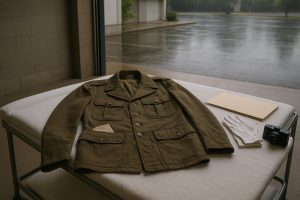
To add more historical value to the photographs, collect other relevant items and donate them with the photographs. These could be envelopes, newspaper cuttings, medals, service records and other relevant documents. Provide as much detail as possible to the historian even if it seems trivial such as the date the photograph was taken, where it was taken and the circumstances surrounding the photograph. Why was the photograph taken? What are the stories behind the photograph and people within it? The historian will thank you for providing this extra information to help tell the story and engage with other viewers of the photographs in the future.
Embracing Family Memories and Documenting Provenance
Provenance for military photographs is very important. Recording what is known, and identifying gaps in that knowledge, makes a collection easier to research. So write down everything you know about past owners of photographs about military matters and where you got them from. Stories about military and family matters, whether true or not, are of great value and should be written down and clearly distinguished from the verified facts about the pictures.
It is best to keep the verified information separate from the family stories and guesses. The original captions should be copied exactly and any additional information put in a separate note. Uncertain information such as unknown names, dates or locations should be labeled as such rather than be given as fact. The source and the limits of the stories should be recorded.
Legal and Ethical Considerations
Be sure to ask the repository their procedures for accepting donations and express any particular concerns you have. Most repositories will tell you if there are any problems they foresee with accepting a particular item or collection. If there are special conditions of donation with which the repository agrees, make sure that all the issues are clearly spelled out with them. Be sure to discuss this with any family members who may have information pertinent to the issues of ownership, privacy or copyright.
Another consideration regarding digital reproduction is that many museums and institutions are now digitizing their collections for preservation and public access. When donating photographs, it is wise to ask for a clear policy regarding reproduction by the donating institution as well as by other individuals or institutions.
Final Thoughts on Preservation
When considering the donation of old military photos and documents, the way that they have been organized and the amount of information about old photos that has been gathered will have the greatest impact on the historical value and integrity of the photographs after they have been donated. Making sure that the photos are presented with as much surrounding information as possible will enable the greatest impact.
Your memories and stories can be preserved and remembered by others in the community and honor the service of family members and relatives by donating in an appropriate and educational format a comprehensive collection of photographs and their backgrounds and information to be used for historical purposes. In this way your memories and photographs are safeguarded, the stories and backgrounds of service members are honored and preserved for future generations and a link is made between past and present. It is very important that you preserve your collection in the format in which they were found so that all the background and circumstances and information relating to the photographs are not lost to posterity. Donating these photographs will become a link between past, present and future for all time.